By Ryan Brechlin. Learn more about how to keep and age wine, and how to evaluate a bottle’s condition. Then start selling a wine collection at auction with Good Bottle Auctions.
To the Collector:
You’re a person of culture and cultivation. That’s why you collect wine, and not just any wine. You seek out only the finest vintages from the very best years.
Over the years, you’ve built up quite the collection. Your cellar, or maybe your basement, holds bottles too good to drink on just any occasion. Perhaps your collection has simply outgrown its space, and it’s time to downsize.
Selling a Wine Collection at Auction
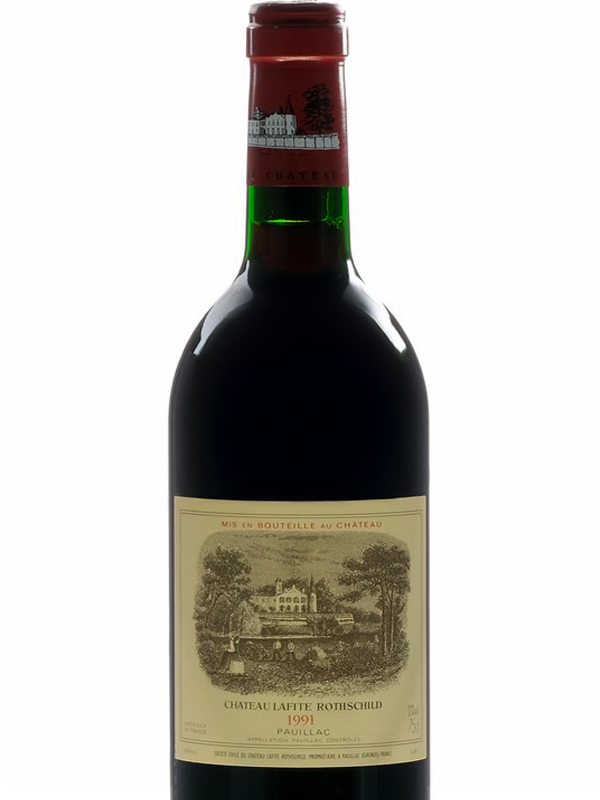
The way we see it, you have two options. You could throw a huge party and drink them all. Picture Great Aunt Margaret chugging Château Lafite Rothschild straight from the bottle. That may make your considerable investment feel worth it, and the photos could even make this year’s family Christmas card. Such a shindig would be fun, and quite tasty. But it would also mean burning through your entire precious collection.
Your second, smarter option is to sell your precious collection with Good Bottle Auctions. Leave the details to us, the professionals. From cataloging and pricing to professional photography and careful service, our team at Good Bottle handles every detail. That means the best possible return on your significant investment. With the proceeds, you can finally buy that bottle of Petrus that’s been taunting you. And you won’t feel too bad about drinking it. This one may be a bit too riche to hand to Aunt Marge, though…
About Wine: A Short Primer
Before selling a wine collection, it helps to understand a few wine basics, since knowing your bottles makes the process much smoother.
It would be overkill to attempt an exhaustive overview of wine here, but here are some general basics. Wine is, essentially, fermented grape juice. There are three general types: red, white, and rosé. Certain grapes make certain types of wine. The red Merlot grape makes a red Merlot wine, and the white Chardonnay grape makes a white Chardonnay wine. Rosé is usually made from red wine grapes, with limited contact between the grape’s skin and the juice before fermentation. That’s why it comes out pink. Sparkling wine undergoes a secondary fermentation in the bottle, which gives it bubbles.
Types, Blends, and Regions of Wine
Winemakers can mix grape types to make blends, such as a red blend or a white blend. They can also use a single grape variety to make single-varietal wines, usually named after that grape. Wine can be named after the grapes that make it up, like a Cabernet Sauvignon or an Aglianico. Or it can be named after the region it comes from, like a Bordeaux or a Chianti.
A wine with a region’s name MUST come from that region to carry the name. Champagne, for example, must come from the Champagne area of France. So a California “champagne” isn’t technically Champagne, and the winery can even get in trouble for labeling it that way.
How Terroir Shapes a Wine’s Taste
The area where a wine is grown contributes much to its taste. Soil, water, and the amount of sun in a given location can affect which grapes grow there. Those same factors shape what flavors come out in the wine. This may sound smug, but it’s true. Taste a good Cabernet Sauvignon from California, then taste a good Cabernet Sauvignon from France. They’ll both taste incredible, but they’ll taste different.
Tasting notes of wine run the gamut, from tobacco and earth to peaches, pineapples, and strawberries. The best way to taste wine is to hold the glass by the stem and swirl it gently. Sniff to pick out notes “on the nose.” Then take a small sip and make a “tic tic” sound with your tongue against the ridge behind your front teeth. This aerates the wine and exposes more flavors “on the palate.” After you swallow, more flavors may arise in a “finish.” To judge color, tip your clear glass slightly so the wine runs up the side a little (don’t spill any!). Then check the color against a white napkin.
Which Wines Are Built to Age
Finally, and most importantly for this article, not all wine is meant to be aged. Typically, the best wines to age are reds, though some white wines can be aged too, particularly champagne. If a bottle has a dark green glass, you can probably age it. Some bottles age well for 3 to 5 years after their vintage date, the year printed right on the bottle. Others can stand up to decades of aging, often really robust reds. Wine is always aging and changing in the bottle. In many ways, wine is alive, and it must be treated well.
How to Properly Store and Age Wine
Proper storage matters most when selling a wine collection, since bottle condition directly affects what buyers are willing to pay.
Wine is a truly beautiful thing, and like anything truly beautiful, it requires proper care and attention. Treat wine right, and it can last for many, many years, possibly even outliving you. Don’t, and you’ll end up with a bottle of vinegar – safe to drink, but not very pleasant!
Store wine in a cool, dark area with a fairly regular temperature. Ideally, that means a temperature-controlled wine cellar with no windows. But not all of us are Rockefellers, so a wine cellar might be out of the question.
You could purchase a nice little wine refrigerator. Or you could do what most aspiring wine collectors do and keep your wine in the basement. If you go the basement route, keep a few things in mind.
Basement Storage Tips for Selling a Wine Collection
First, make sure the air is neither too damp nor too dry. You want it a little damp, just enough to keep your corks from shriveling.
Second, you don’t want it to smell. Strong smells can seep into your wine, and no one wants to sip wine that tastes like paint thinner.
Third, keep your wine in a darker area of your cellar, away from natural light. Natural light is your wine’s worst enemy.
Fourth, keep the temperature constant. The general rule for wine is 55 degrees Fahrenheit.
When storing wine, it’s best to keep bottles on their sides. This keeps the cork moist and prevents it from breaking. Invest in a wine rack; it will go a long way.
How to Tell if Wine Is Still Good Without Opening It
Checking condition without opening a bottle is another useful skill when selling a wine collection, since it lets you evaluate bottles quickly.
As we’ve said, wine requires care and attention. If properly cared for, it can last a very long time.
Cork Dork Note: the oldest bottle of wine in existence is the Speyer Bottle. Archaeologists found it in Speyer, Germany, sealed in glass. It dates to the 4th century A.D., when Speyer was part of the Roman Empire. By today’s standards it isn’t stored properly, so it would technically be safe to drink, but not palatable. The Romans also bottled it with oil, honey, and spices, so imagine the millennia-old funk in that bottle!
Three Ways to Check a Bottle Before Selling a Wine Collection
But what if you come across a bottle, or a whole collection, and you don’t know how it was cared for? How can you tell if it may still be good?
First, assess the level of the wine in the bottle. Stand it straight up on its base. Assuming the bottle is fairly recent, you should be able to see where the wine level sits. If it comes up to or into the neck, that’s a good sign. If it sits well below the “shoulder,” where the bottle curves out into the body, that could be a bad sign.
Second, hold the bottle up to the light. You can also tilt it to get a better read. Look for a uniform color and a lack of floating solids. Large, floating solids are a bad sign. A little sediment at the bottom is fine; sediment is expected in older vintages.
Finally, look at the cork if it’s visible. A dry, cracking cork is a bad sign. A cork that looks relatively normal is a good sign.
Label Condition and Cork Taint
Other considerations are more cosmetic. A bottle in good overall condition, with an attractive label, will sell for more than the same bottle with a shabby label. That said, wine collectors usually care more about the “juice” inside the bottle than the exterior labeling. Still, label condition can show how carefully someone preserved a bottle.
It’s important to realize, though, that wine is fickle. You can take excellent care of a bottle, keep it in perfect condition, with a pristine label. Still, you can open it and find it “corked.” Corking, or “cork taint,” comes from trace chemicals possibly present in the cork or in the equipment used to make the wine. There’s no way to tell if a wine is corked before you open it. People say corked wine tastes like wet dog, a basement, or like nothing at all. It simply happens sometimes, and there’s nothing to be done about it. The good news: nothing else is wrong with the wine – it’s perfectly fine to drink. It just doesn’t taste very good.
Selling a Wine Collection With Good Bottle
We’re very glad you’ve chosen to sell your collection with Good Bottle! You’ve come to the right place. We’re professional auctioneers, and Connecticut’s first licensed auctioneer of wine, whisk(e)y, and collectible spirits. Now, let’s get to brass tacks: how do you actually sell your wine collection?
The first step is to contact us, either through our web contact form or by calling us at 860-378-8808. Then tell us a little about your collection. Let us know how many bottles you have, what they are, and where your collection is located.
After that, we come up with a plan. One of our professionals can visit you and view your collection. We’ll tell you more about what you have and give you a general idea of its value. We’ll also walk you through our fair and honest commission structure, so we both feel good about doing business together.
Our team will safely transport your collection to our auction house. There, we’ll catalog it, photograph it, and list it for one of our popular online or in-person auctions. During our live auctions, our entire staff comes together to sell your wine to the highest bidder. If the buyer is farther afield, our experienced shipping department will carefully wrap and transport the precious cargo. You get paid, and you’re free to use your newfound riches to invest in more wine.
Further Reading
Luckily for you, wine is a popular topic. Here are a few of the articles we used for this piece. They come from publications like Wine Folly, Wine Enthusiast, and Food & Wine, all of which specialize in wine:
- https://www.wineenthusiast.com/culture/wine/what-happens-wine-ages/
- https://www.wineenthusiast.com/basics/buying-and-collecting/how-to-store-wine/
- https://www.wineenthusiast.com/culture/wine/cork-taint-wine-fault-guide/
- https://www.foodandwine.com/oldest-bottle-of-wine-in-the-world-7094620
- https://winefolly.com/tips/red-wine-aging-chart-best-practices/
Sommelier Tastes the Same Wine at 5 Ages(1978-2016) | World Of Wine | Bon Appétit
Bon Appétit
2.6M views · 3 years ago
Open
In addition, there are plenty of fine books on wine. Many good videos exist too, like this one from Bon Appétit’s sommelier André Mack.
Finally, I’d recommend getting the Vivino app. You can rate wines with it. You can even see if a wine might suit you, based on other wines you’ve tried.
