By Ryan Brechlin,
Does whiskey go bad? Generally, no. Whiskey’s high alcohol content makes it a stable spirit, and unopened bottles can last indefinitely when properly stored. However, exposure to air, heat, and sunlight can affect its flavor and aroma over time.
That old bottle of bourbon sitting in your cabinet or the unopened Scotch you inherited could still be in excellent condition. Before opening it, though, it’s worth checking a few details, especially if it might have collector value.
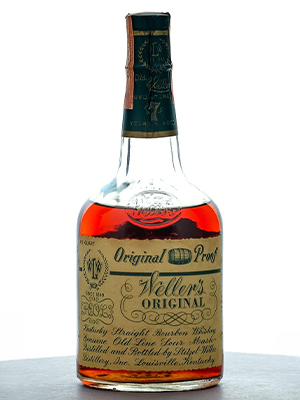
Does Whiskey Go Bad?
Unlike beer or wine, whiskey typically contains around 40% alcohol by volume (ABV), which makes bacterial and mold growth unlikely under normal conditions.
Still, there’s a difference between whiskey spoiling and losing quality. An opened bottle may gradually lose some of its original character without becoming unsafe to drink. A damaged seal or contaminated bottle, however, is another matter.
How Long Does Unopened Whiskey Last?
Properly sealed whiskey has an indefinite shelf life, provided it’s stored away from excessive heat, sunlight, and temperature changes.
Whiskey also stops maturing once it leaves the barrel. A 12-year-old Scotch bottled 30 years ago is still considered a 12-year-old Scotch, not a 42-year-old expression.
Our guide to understanding whiskey age statements explains why this distinction matters.
Vintage bottles can remain in good condition for decades, although damaged closures and evaporation may affect their quality.
How Long Does Whiskey Last After Opening?
Opening a bottle exposes whiskey to oxygen, gradually changing its aroma and flavor.
As a general guideline, opened whiskey often maintains its best flavor for approximately 1 to 2 years, although some bottles remain enjoyable much longer.
A nearly full bottle generally retains its character longer than one with only a few pours left because there’s less air inside.
How Can You Tell If Whiskey Has Gone Bad?
Whiskey doesn’t come with a reliable expiration date, so you’ll need to pay attention to the bottle itself.
A few signs can indicate that its quality has changed.
- Changes in aroma: If your whiskey smells noticeably different, unusually stale, or otherwise unpleasant, something may have affected its original character.
- Changes in flavor: A whiskey that once had rich vanilla, spice, or oak notes might taste flat after prolonged exposure to air. Flavor changes alone don’t necessarily indicate a safety problem.
- Unusual appearance: Unexpected cloudiness, floating material, or a significant change in appearance deserves attention. Some haze or sediment can occur naturally in certain whiskeys, particularly those that haven’t been chill-filtered, so appearance alone doesn’t always tell the whole story.
- Problems with the closure: A damaged cork, loose cap, or leaking seal can allow air into the bottle and potentially expose the contents to contamination.
- Signs of poor storage: Unusually low fill levels, damaged labels, and evidence of prolonged heat exposure may indicate that the bottle hasn’t been stored under ideal conditions.
If you suspect contamination or the bottle’s integrity has been compromised, don’t taste it to find out.
For older collectible bottles, these details matter for another reason. Buyers often pay close attention to fill levels, seals, and overall presentation when evaluating a potential purchase.
What Makes Whiskey Deteriorate Over Time?
Whiskey is relatively stable, but a few environmental factors can affect its condition.
Oxygen Exposure
Once opened, whiskey interacts with oxygen. Over time, this can alter its aroma and flavor, particularly when the bottle contains more air than liquid.
Sunlight and UV Exposure
Direct sunlight can affect whiskey’s color and flavor while fading labels and damaging packaging. This is especially concerning for collectible bottles.
Temperature Fluctuations
Excessive heat and frequent temperature changes can accelerate deterioration and increase evaporation risks. A stable storage environment is preferable.
The Bottle’s Seal
Corks and caps help prevent air exposure and evaporation. Aging or damaged closures can compromise even unopened bottles, making seal conditions particularly relevant to collectors.
How Should You Store Whiskey?
Good storage habits can make a considerable difference, particularly if you plan to keep a bottle for years.
Keep these practices in mind:
- Store bottles upright. Unlike wine, whiskey generally shouldn’t be stored on its side. Prolonged contact with high-proof alcohol can damage certain cork closures.
- Keep whiskey out of direct sunlight. A cabinet or shaded storage area helps protect the liquid and its packaging.
- Avoid excessive heat. Don’t store bottles near appliances, radiators, or sunny windows.
- Maintain stable temperatures. Consistent conditions are preferable to repeated heating and cooling.
- Check closures periodically. Make sure caps remain secure and watch for signs of leakage or deterioration.
- Protect original packaging. Boxes, tubes, labels, and other original materials can matter to collectors.
Avoid replacing original closures or attempting to restore damaged labels. Collectors often prefer bottles in their original condition.
Does Old Whiskey Become More Valuable?
An old bottle isn’t automatically valuable. Collector demand depends on the distillery, specific release, rarity, and condition.
Discontinued expressions, limited releases, and historically significant bottlings may attract considerable interest. However, fill levels, intact seals, provenance, and original packaging can also influence auction prices.
Some of the most expensive whiskey bottles ever sold at auction demonstrate how rarity and demand can influence prices.
At Good Bottle Auctions, our team evaluates rare and valuable whiskeys based on their characteristics and current collector interest. Sometimes, a bottle’s history is worth investigating before deciding to open it.
What Should You Do With an Old or Unopened Bottle of Whiskey?
Found an unfamiliar bottle? Don’t open it just yet.
Start by identifying the distillery, expression, age statement, and approximate bottling period. Check the seal, fill level, label, and any original packaging.
Researching comparable auction sales can provide useful context, although asking prices don’t always reflect what buyers actually pay.
If the bottle appears collectible, consider having it professionally evaluated before making any changes to its condition.
Frequently Asked Questions About Whiskey Shelf Life
Does Whiskey Expire?
Standard whiskey doesn’t have a fixed expiration date. Properly stored bottles can remain stable for decades, although flavor and aroma may change after opening.
Does Unopened Whiskey Go Bad?
Unopened whiskey can last indefinitely when properly sealed and stored. Heat, sunlight, and damaged closures can still affect its quality.
How Long Does Whiskey Last Once Opened?
Opened whiskey often maintains its best flavor for approximately one to two years, although the actual timeline varies with storage conditions, closure quality, and the amount remaining.
Can You Drink 20-Year-Old Whiskey?
Yes, a properly stored, unopened bottle that’s been sitting for 20 years may still be suitable to drink. A whiskey labeled “20 years old,” however, refers to its time spent maturing in a barrel.
Does Whiskey Get Better With Age in the Bottle?
No. Whiskey stops maturing once bottled. Its collector value may increase over time, but additional years in glass don’t improve its barrel-aged character.
Have an Old Bottle? Good Bottle Auctions Can Help
An unopened whiskey bottle could be an everyday expression or a collectible release worth investigating. However, the seal on the bottle cannot be broken in order for it to go into an auction.
At Good Bottle Auctions, we help sellers understand their bottles and present them to a broad audience of interested buyers. Our auction process allows competitive bidding to determine market value.
Have a bottle you’re curious about? Sell your whiskey at auction or visit our blog for more information about collectible spirits.
