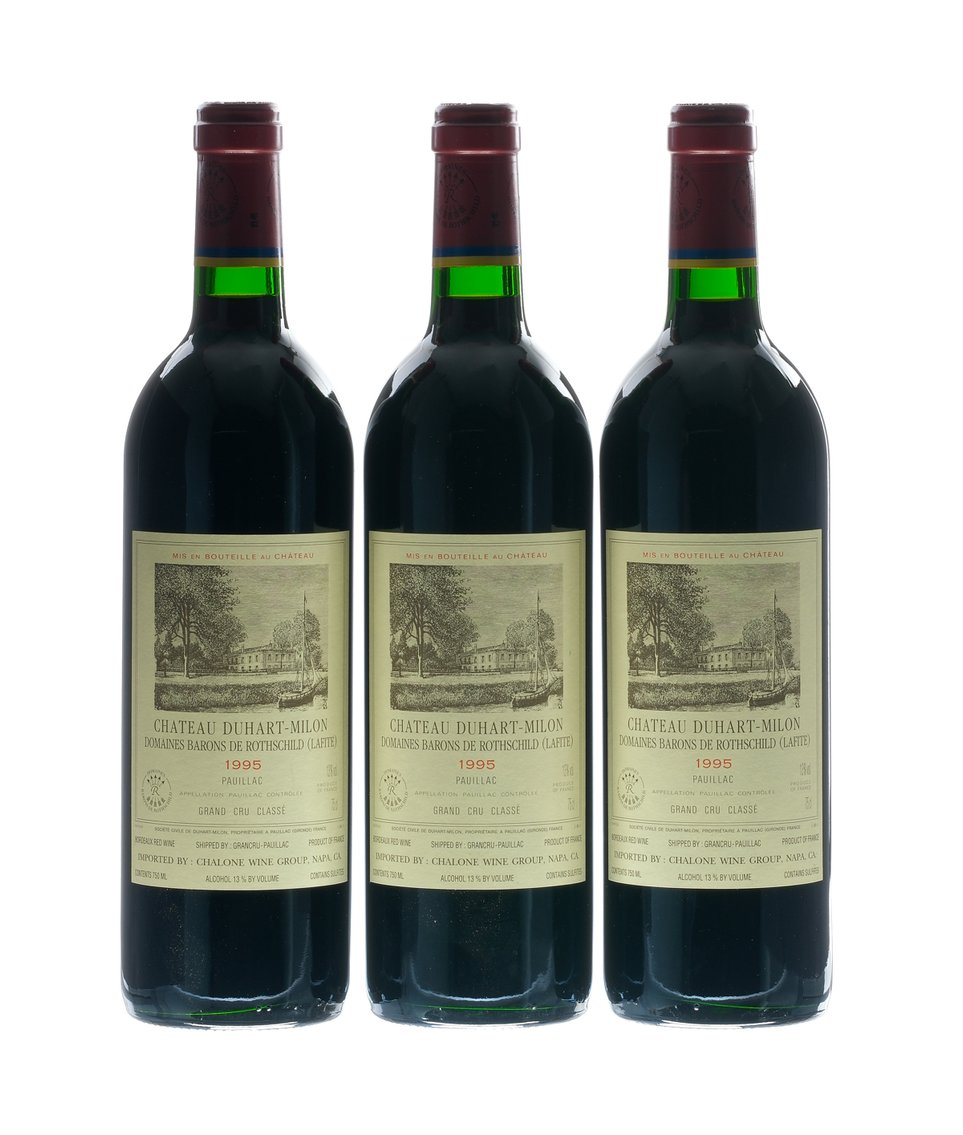
By Ryan Brechlin, spend any time around old wine bottles, and you’ll notice something odd about wine fill lines.
They can differ wildly from bottle to bottle. One bottle might reach almost to the cork, while another sits much lower, perhaps down into the shoulder. If the bottles are sealed shut, this can seem strange, even a little spooky (did Casper get into my Grand Cru?!). Luckily, this isn’t a case for the Ghostbusters — it’s a case for Good Bottle Auctions.
What Are Wine Fill Lines?
Let’s get down to brass tacks: what is a fill line? Simply put, it’s the line the wine reaches inside a given bottle. Not sure what we mean? Take a look at a bottle of wine, and you’ll see where the wine goes up to. That’s the fill line. The foil at the top of the bottle might hide it, but it’s there.
You might think a fill line stays put once a bottle is corked. That’s not the case. Corks absorb some of the wine over time. This creates a stain on the cork that grows visibly as the wine ages. Buy two identical bottles from the same vineyard, but choose different vintages. You’ll notice the wine stain has crept higher up the cork on the older bottle. This is perfectly natural — and expected.
Wine can also evaporate through the cork itself. Cork is a natural material made from the bark of the cork tree. Over a long period, it lets some wine escape the bottle. This means the fill level can — and will — drop over time.
Is a Low Fill Line a Problem?
It depends. Some evaporation is normal and even expected as wine ages for many years. But once the fill line drops low enough, it becomes a red flag. At that point, you probably shouldn’t drink what’s inside — unless you enjoy the taste of spoiled vinegar.
Like almost everything else in the wine industry, there are established categories of fill lines. Each category is based on one of the two main types of 750 milliliter wine bottles. These are the Bordeaux bottle and the Burgundy bottle. A Bordeaux bottle has a defined neck and shoulder. A Burgundy bottle, by contrast, tapers gently from the body up through the neck. Despite the names, winemakers use either bottle shape for a wide variety of wine styles.
The infographic below shows where the fill line falls on a Bordeaux bottle.

Bordeaux Bottle Fill Lines
Winemakers typically fill Bordeaux bottles to Base Neck. Sometimes the wine reaches as high as Mid Neck. If the wine is forty years or older and filled to Mid Neck, be wary — it may have been re-filled. Under ten years old? Look for a fill line at Mid Neck or Base Neck before drinking. If the wine is over ten years old, expect a fill line at Top Shoulder. But if a wine is at Top Shoulder and well under ten years old, poor storage is probably to blame. You shouldn’t drink it.
Once a wine is forty years or older, evaporation can push the fill line as low as Mid Shoulder. If a wine is well under forty and already at Mid Shoulder, though, it’s almost certainly spoiled. A fill line at Low Shoulder might still be okay for a very old wine, but that’s pushing it. And if the fill level is Below Shoulder, the wine is simply not drinkable.
Burgundy Bottle Fill Lines
Burgundy bottles use different terminology since they have no proper neck or shoulder.

If the fill line sits at 2 centimeters or less from the cork, that’s a sign of good storage. Evaporation isn’t a concern. For wine 20 years old or older, anything under 4 cm from the cork is very good. Past 35 years, that’s exceptional. For wine under 15 years old, though, 4 cm might be a cause for concern. If the fill line is 6 cm or more from the cork, the wine could be spoiled. This is especially true for a younger vintage.
Who You Gonna Call?
Understanding wine fill lines can make it much easier to know whether a vintage bottle is still worth drinking. There can be a variety of reasons why a wine’s fill line runs low. Some factors are natural and expected, while others are not. Improper storage or cellaring may explain a much lower fill line than expected. On the other hand, an antique bottle that looks immaculately filled to Mid Neck should raise your suspicion instead. For more on correctly storing fine wines, check out our blog post here: https://goodbottleauctions.com/sell-wine-at-auction/.
Knowing exactly what you have — and whether an old bottle is still drinkable — can be tricky. If you’re unsure, call your friends at Good Bottle Auctions. We know wine, fill lines, and online auctions, so we can help you understand exactly what you’re holding. We’d love to chat with you about your bottle and help you sell it for the best price.
Works cited:
